
an SEO-Friendly Website That Generates Leads
SEO-friendly website development helps it service companies attract visitors and turn them into leads. It combines useful content, fast performance, clear service pages, strong calls to action, and enquiry tracking. Visitors can find the right service through search, learn what you offer, and contact your team through forms, calls, or consultations.
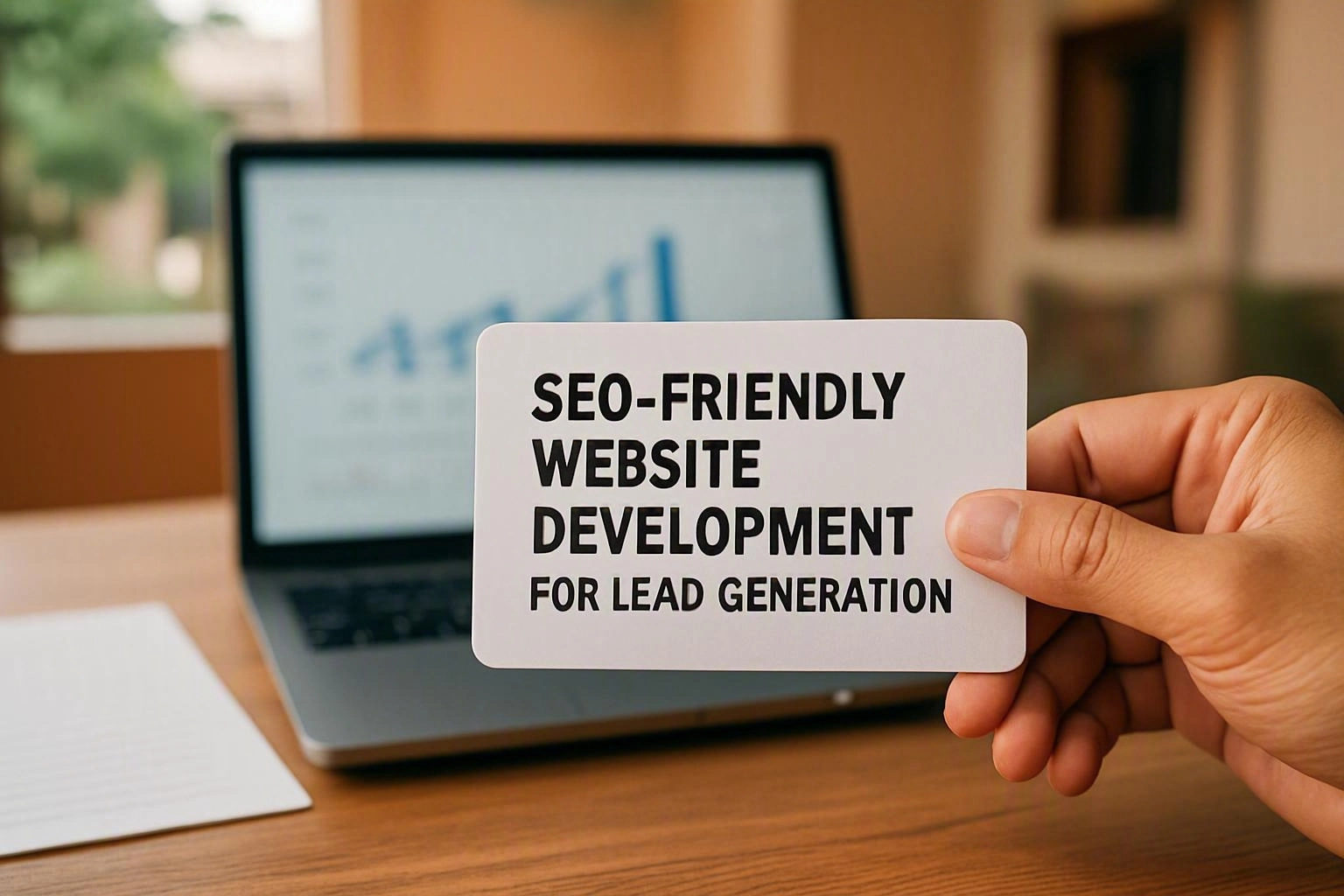
SEO-friendly website development connects technical website choices with buyer needs. At Thinkwebhub, we map the journey from a search query to a useful page and a clear next step. We also track each enquiry as a business opportunity. This helps technical buyers compare skills, response times, security needs, and service details before they contact you.
Author: Debasis Sahoo
How Do You Build an SEO-Friendly Website?
Search engine optimizationand website development work together through clear structure, useful pages, fast loading, mobile support, strong metadata, accessible content, and internal links. Technical SEO helps search engines find, read, and rank those pages.
Most small to mid-sized service website projects include about 10–30 core pages before supporting articles are added. The right number depends on your services, audience, and sales process. Our team can also discuss Website Development in Bhubaneswar when it fits a buyer’s project needs.
What Website Pages Does a Service Business Need?
A service business needs pages that answer buyer questions and explain the work clearly. Each page should also give visitors a simple way to enquire. This structure supports different stages of the marketing funnel.
| Page | Purpose | Useful content |
|---|---|---|
| Homepage | Sets the promise and guides visitors | Core problems, audiences, services, proof, and next steps |
| Service pages | Match specific searches and buyer needs | Scope, process, outcomes, security, FAQs, and enquiry options |
| About page | Explains your approach and work style | Capabilities, communication, delivery method, and relevant experience |
| Case studies | Shows how you solve problems | Challenge, solution, limits, process, and supported results |
| Contact page | Provides an easy enquiry route | Short form, response expectations, consultation choices, and accessibility support |
| FAQ content | Reduces uncertainty before contact | Timelines, integrations, security, support, scope, and suitability questions |
Complex services should not sit under one general services page. Separate pages help buyers compare software development, managed support, cloud work, and cybersecurity for a specific need. They also give Search Engine Optimization a clearer structure to improve.
How Do SEO and Web Development Work Together?
Web development and SEO work together by making a site easy to find, understand, and use. Developers handle performance, responsive layouts, URLs, redirects, schema, and tracking. SEO specialists guide site structure, content, internal links, and search priorities.
On-page SEO depends on the templates built during development. Titles, headings, image attributes, navigation labels, and content blocks should be easy to edit. A flexible content management system lets your team improve pages without rebuilding the site.
URL structure is another shared task. Stable, descriptive URLs help visitors understand each page. They also reduce confusion when services change. During a redesign, a URL list and redirect plan can protect useful rankings.
Developers should prevent duplicate pages, broken links, accidental no-index settings, and thin placeholder content. Structured data may help search engines understand organisation details, services, or FAQs. It must match information that visitors can see.
Conversion rate optimization links visibility with sales results. We check where visitors hesitate, whether forms ask for too much, and whether the next action is clear. That makes search-optimised website development a tool for attracting and converting suitable prospects.
A web development company should include SEO planning before templates are complete. This avoids late changes and keeps design, accessibility, form security, CRM integration, and tracking inside the first build.
When Should You Combine SEO and Website Development?
Businesses should combine SEO and website development during a new launch, redesign, service expansion, performance issue, or lead-quality problem. Early planning reduces rework and protects existing rankings. It also connects organic traffic with useful enquiry paths.
These services matter most when a website must support sales. Share marketing attribution needs early. Then organic traffic, campaign sources, calls, forms, and CRM results can be reviewed together.
These problems often appear together. A redesign may reveal technical debt, while a new service may show that the CMS cannot support separate pages. Coordinated planning creates one clear path from search demand to sales follow-up.
How Can a Website Generate Leads for IT Services?
Lead generation works when useful content and service pages match buyer intent. Clear calls to action, short forms, consultation options, click-to-call links, proof, and fast replies help convert suitable visitors.
An it buyer may start with unreliable systems, rising cloud costs, or a security concern. Your website should guide that person from learning to comparing providers. A guide can explain the issue, while a service page can show the response.
Each page needs one main action. A service page might invite a project discussion. A technical guide might offer a checklist or a way to ask a question. Too many buttons can confuse visitors.
Trust signals should support your claims. Use clear scope, delivery steps, security practices, useful capabilities, honest expectations, and real case study details. Buyers want to know how the work will run and who will respond.
Forms should be short but useful. Ask about the problem, contact details, preferred response method, and helpful context. Use secure processing, spam controls, privacy information, and reliable alerts. A missed form notification can lose a good lead.
Our team uses conversion-focused landing page development when a campaign or service needs a tighter message. We compare engagement, forms, calls, consultations, and qualified leads. Every visit does not have the same value.
For a clear next step, contact us through the enquiry form and describe the service, audience, and outcome you want the website to support.
How Can a Local Business Website Get More Calls?
Visitors should quickly understand your service area, response times, scope, and next step.
Keep your Google Business Profile aligned with your website. NAP consistency means your business name, address, and phone details stay accurate across listings. Incorrect information can create doubt.
Place click-to-call links on service pages and contact areas. Do not hide the number behind a difficult menu. Mobile usability also requires readable text, quick loading, accessible controls, and touch-friendly forms.
Local relevance should sound genuine. Explain your service area, response model, and customer needs when those details help buyers decide.
How Do You Track Website Leads and Enquiries?
Google Analytics 4 and CRM reporting can track forms, calls, emails, bookings, and chats as conversions. Google Search Console, call tracking, UTM parameters, and lead-status reports show which pages and campaigns bring qualified opportunities.
Begin with a written conversion plan. Define an enquiry, a qualified opportunity, and useful secondary actions. A contact form may be the main conversion, while a download may support the journey.
| Measurement point | What to configure | Business question answered |
|---|---|---|
| Google Analytics 4 | Events and conversions for meaningful actions | Which pages and channels create enquiries? |
| Google Search Console | Queries, pages, clicks, impressions, and indexing checks | What searches bring visibility and where are gaps? |
| Call tracking | Source-aware call numbers or call events | Which campaigns or pages lead to phone conversations? |
| UTM parameters | Consistent source, medium, campaign, and content labels | Which marketing activity influenced the visit? |
| Form submission | Success event, notification, validation, and privacy controls | Are enquiries captured and delivered reliably? |
| CRM | Source, service interest, status, outcome, and follow-up fields | Which website leads become qualified opportunities? |
Connect analytics with customer relationship management instead of stopping at a thank-you page. Sales teams can record which enquiries fit, reached a meeting, or were unsuitable. That feedback improves keywords, page copy, and budget choices.
Tracking must respect privacy and security. Use suitable consent controls, collect only needed information, protect forms, and document each tool. Good measurement collects enough information for sound decisions.
How Do You Improve an SEO Lead Generation Website Over Time?
An SEO lead generation website improves through technical audits, search reviews, content updates, conversion tests, and lead-quality checks. IT service businesses should focus on pages that support their business goals and help visitors take action.
Start with an SEO audit. Check crawling, indexation, broken links, metadata, templates, speed, accessibility, structured data, and redirects. Review Search Console and analytics together.
Update content when services, technology, buyer questions, or delivery methods change. Add examples, explain scope, improve links, and remove old claims. The reader should come first.
Conversion rate optimization can test layouts, form length, button wording, proof, and consultation offers. A/B testing helps sites with enough traffic. Smaller sites can use sales feedback and before-and-after comparisons.
Review lead quality, not only lead volume. Fewer suitable enquiries may create more growth than many poor-fit contacts. Our approach to search-optimised website development reviews technical health, search results, and business outcomes together.
To discuss a measurable improvement plan, use the contact option and share your current website goals, service priorities, and tracking setup.
Questions About Web Development Company
How Much Does It Cost to Build an SEO-friendly Website?
The cost depends on page count, content, integrations, design, CMS needs, tracking, accessibility, and migration risk. Request a project assessment instead of using a generic price.
What Makes a Website SEO-friendly?
An SEO-friendly website has clear structure, useful content, descriptive metadata, readable URLs, fast performance, mobile-first design, accessible layouts, internal links, secure technology, and trackable conversion paths. It helps search engines understand the site and gives visitors a clear reason to enquire.
Why Is My Website Not Generating Leads?
A website may attract the wrong searchers, lack focused service pages, load slowly, hide its call to action, or use a poor form. It may also explain services poorly or fail to track enquiries.
What Is the Difference Between SEO and Web Development?
Web development creates the website structure, templates, features, integrations, and performance. SEO improves how search engines find, understand, and match the site to searches. Both areas cover structure, speed, mobile use, URLs, structured data, content controls, and conversion tracking.
How Long Does SEO Take to Generate Leads?
The timeframe depends on competition, website authority, technical condition, content quality, service demand, and response speed. Some sites receive early enquiries after key issues are fixed. Stronger organic visibility often takes several months of steady work. Track qualified enquiries and search performance together.
Related Resources
Cheap Web Development Company Mistakes: What to Check Before Hiring
mistakes to avoid when hiring a cheap web development company
What to AvoidWebsite Development Project Scope Mistakes That Cause Delays and Extra Costs
common website development project scope mistakes
What to AvoidWebsite SEO Mistakes to Avoid Before Launch
What to AvoidMobile App Development Mistakes to Avoid Before Building an App
mobile app development mistakes to avoid